 Menu
Menu

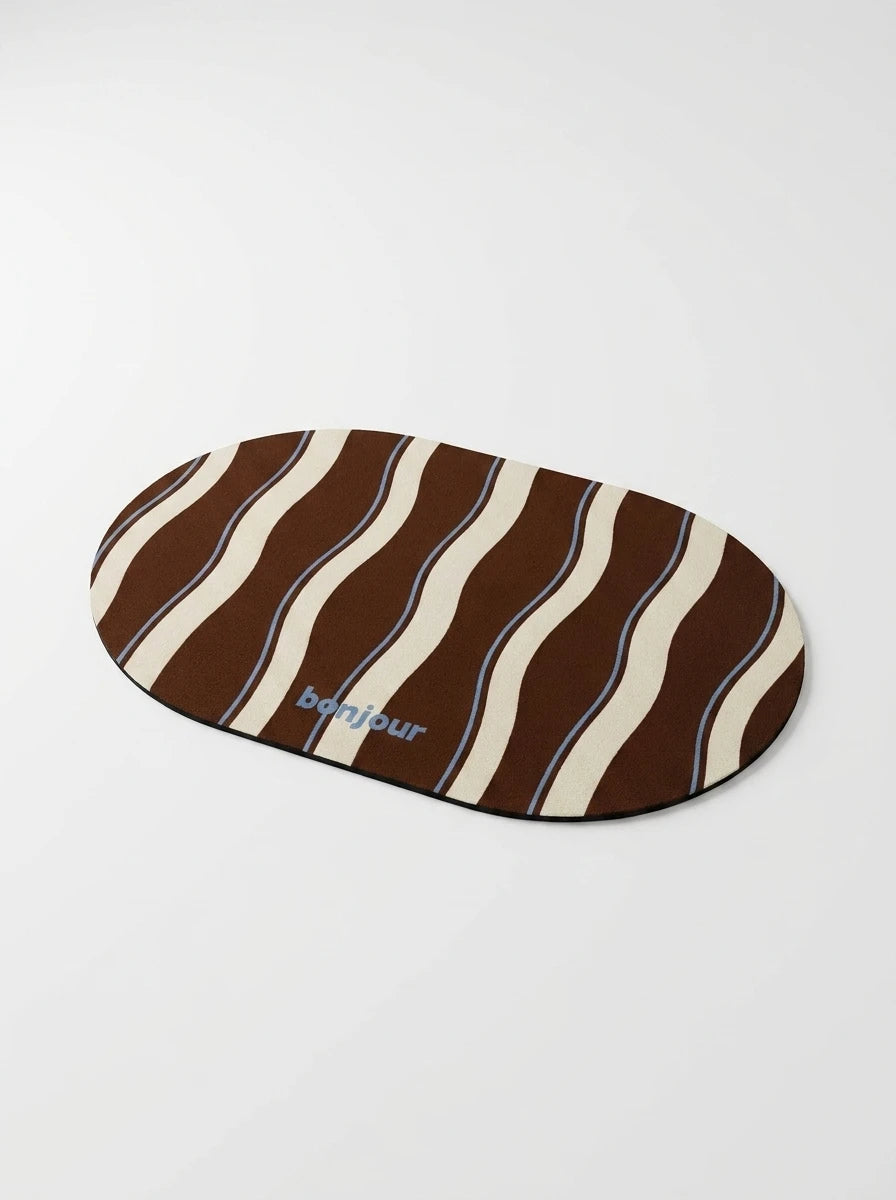
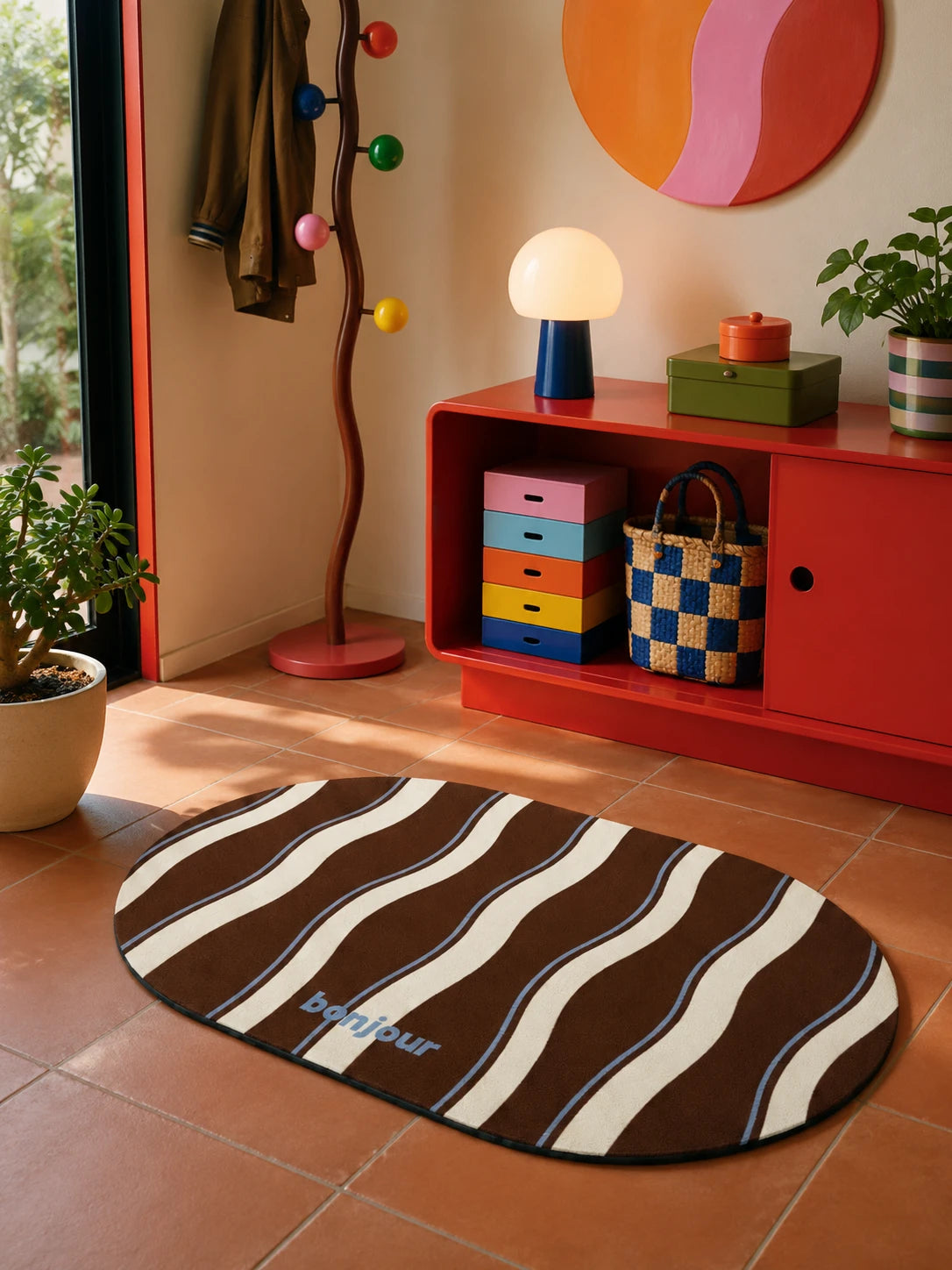
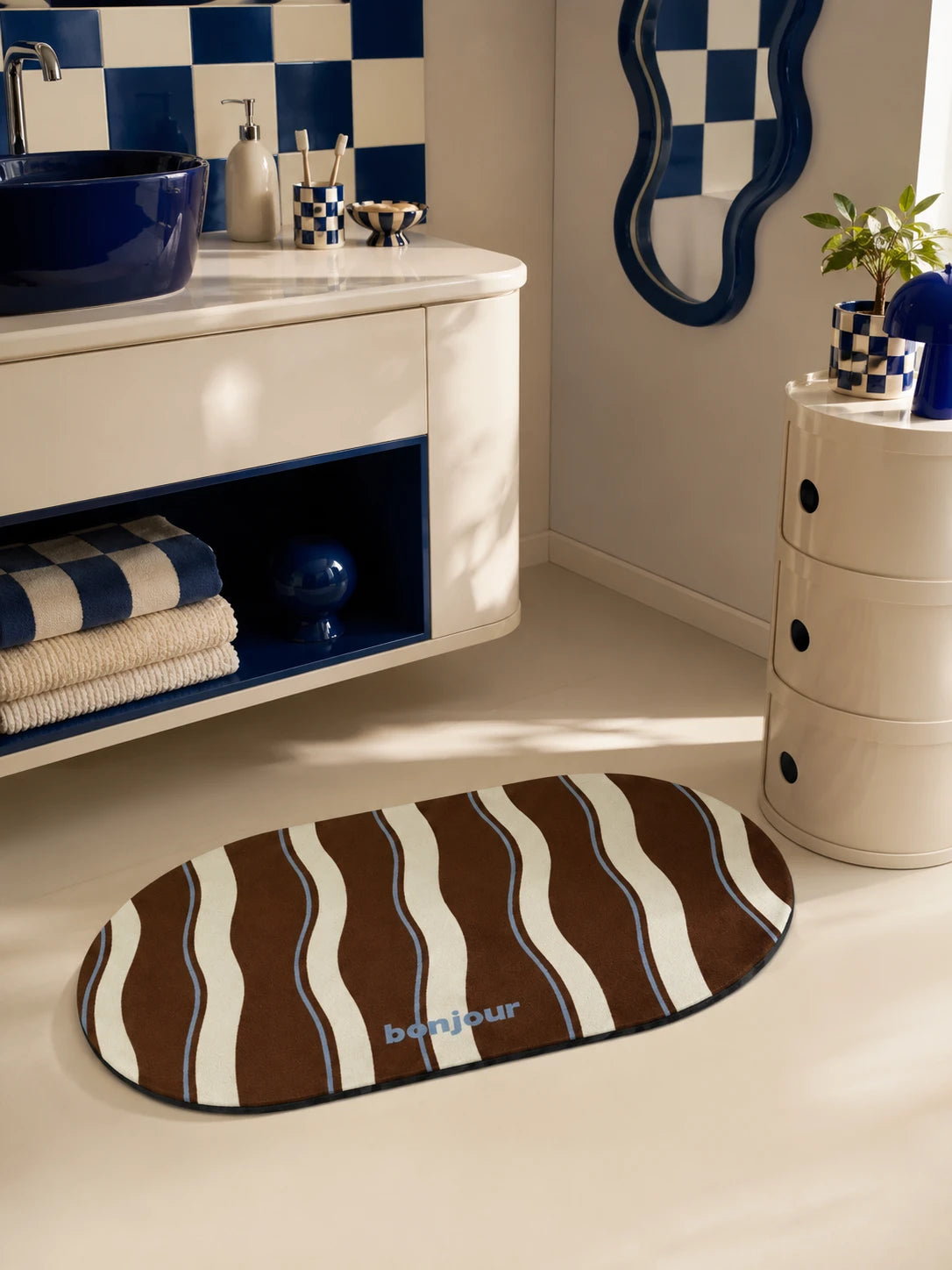
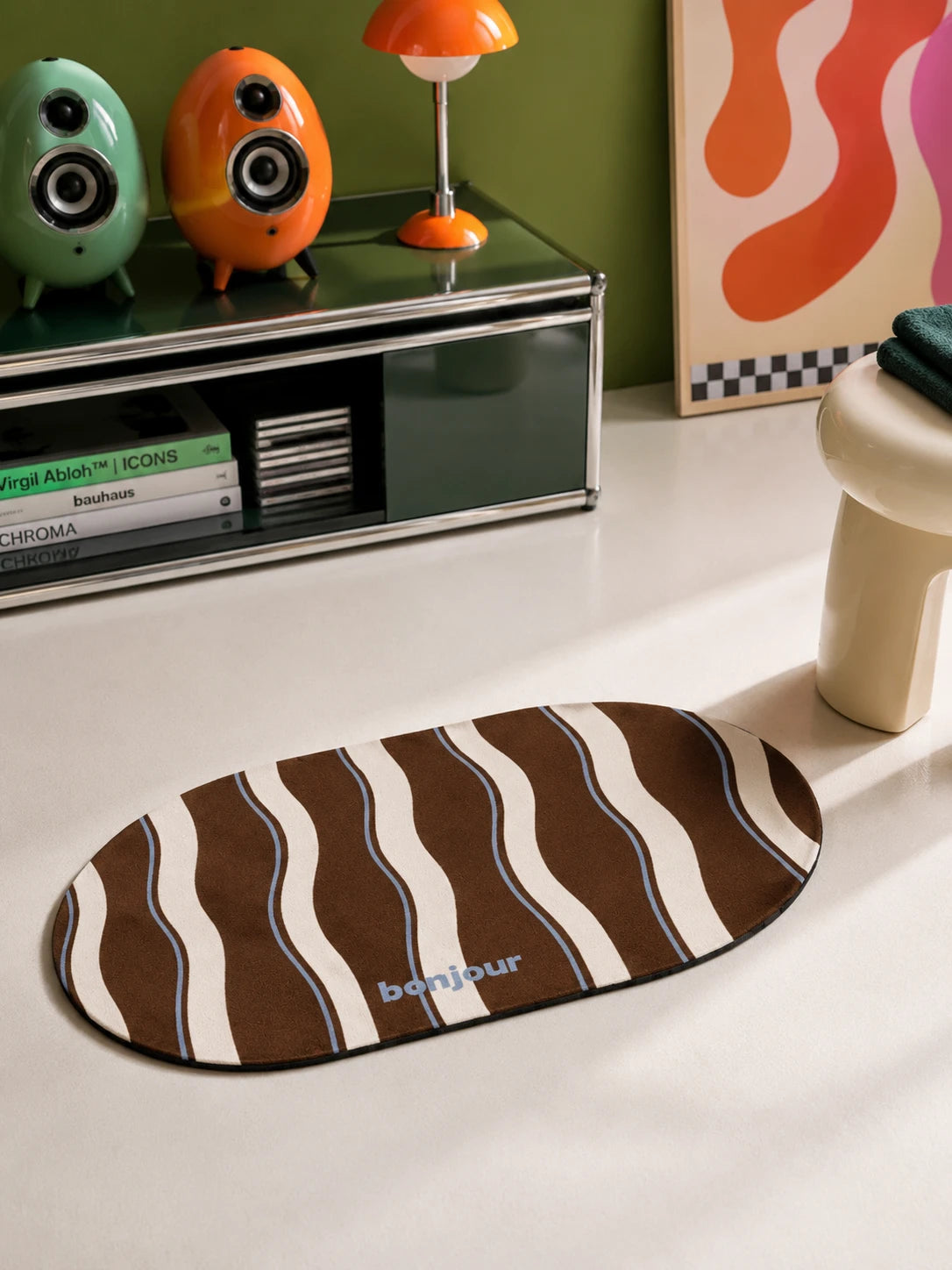
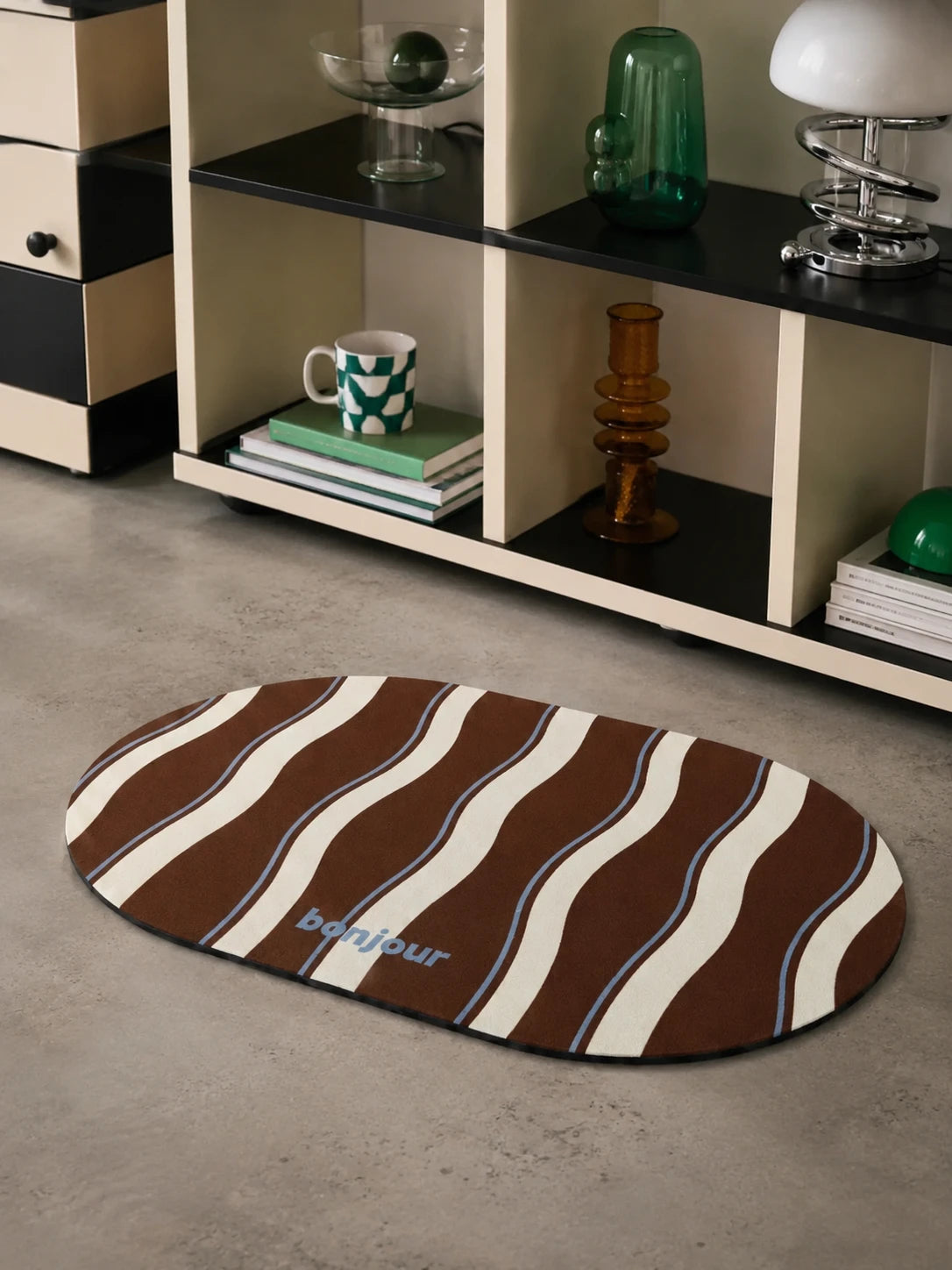
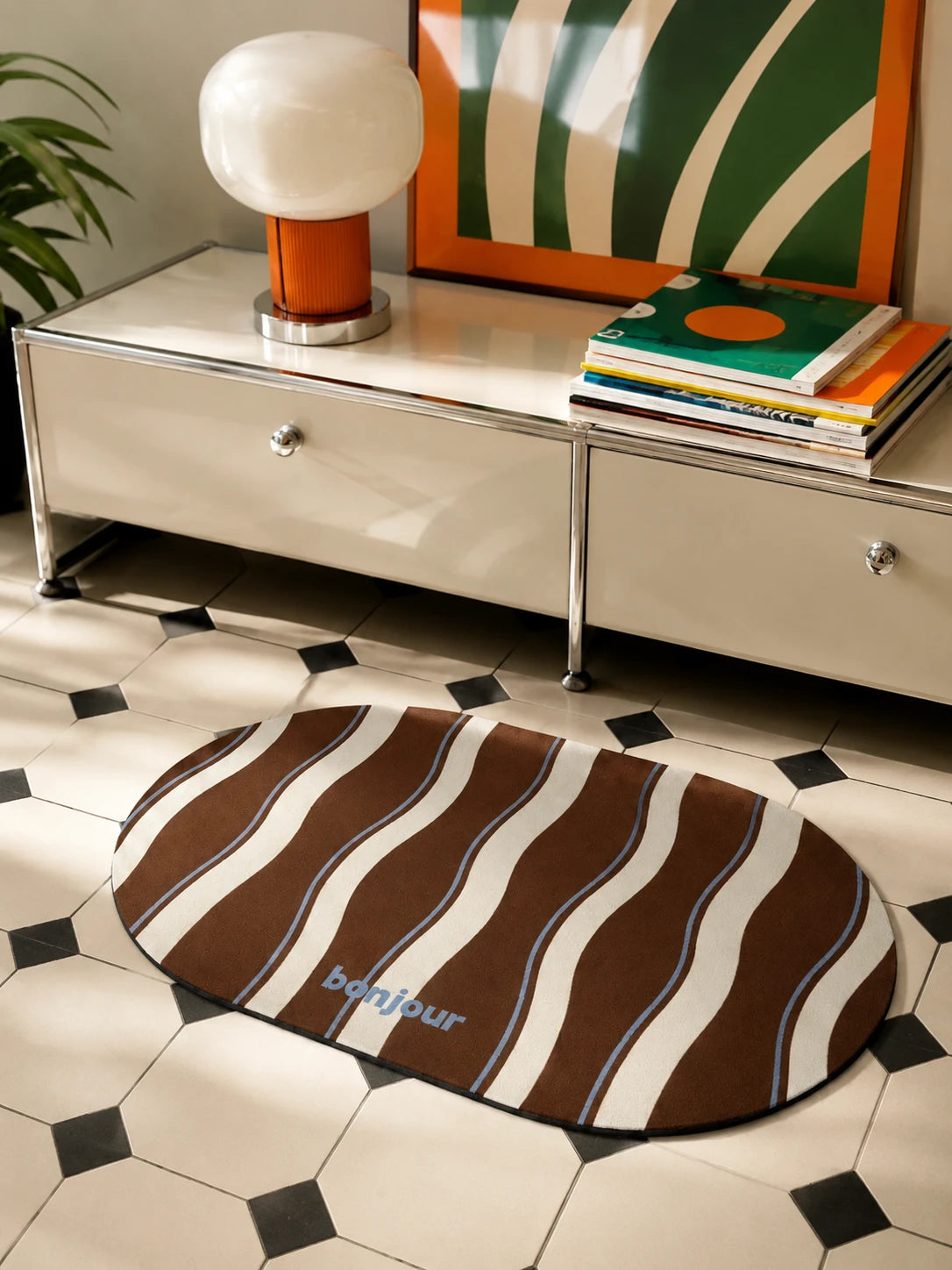
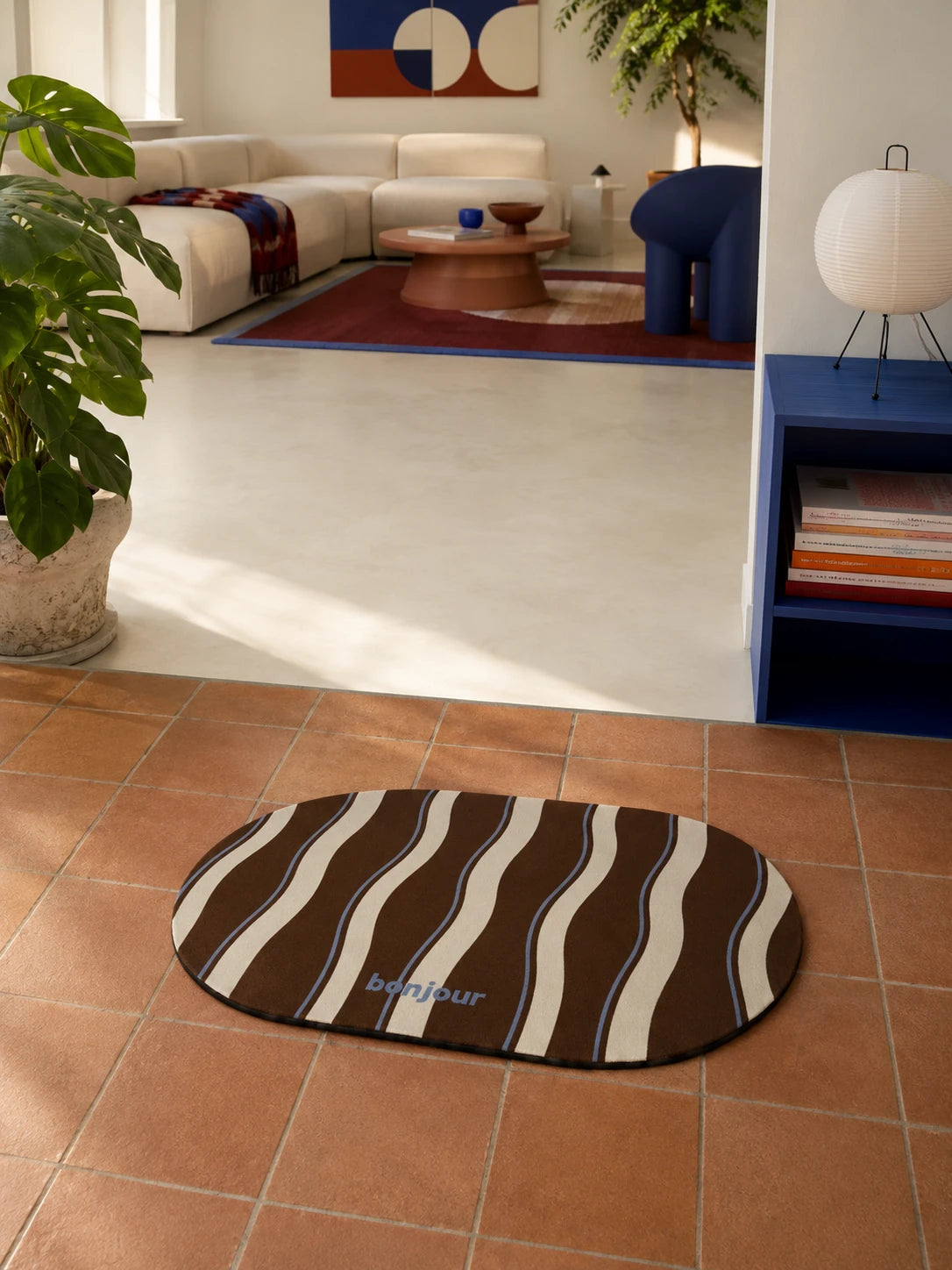
Retro Striped Bath Mat
Add $8.01 more to unlock WELCOME15 — 15% off orders $39.00+
First order $39 USD+. One use per customer. Offers cannot be combined.
Not ready yet? Save it and it will be here when you come back.
Transit damage? Report within 48 hours.
Transit damage? Report within 48 hours
Email support@retroradius.com within 48 hours of the carrier marking your order delivered. Include photos of the outer box, shipping label and damage. Keep the packaging and damaged item. After verification, we will arrange a replacement or refund under our refund policy.
5-day returns (US & Canada). Conditions & fees apply.
Why you'll love it
- Quick-Dry Diatom Mud: Instantly absorbs moisture from feet, effectively reducing bathroom puddles and damp odors.
- Non-Slip PVC Backing: Grips hard floor surfaces firmly, ensuring stability when stepping out of the shower.
- Ultra-Thin Profile: The 4mm (0.2 in) thickness ensures the mat glides smoothly under bathroom doors without snagging.
- Multi-Room Versatility: The absorbent, stain-resistant surface functions equally well as a kitchen mat to cushion dropped tableware.
When will it arrive?
Free shipping to the US & Canada. Report transit damage within 48 hours and keep packaging and photos. For 5-day returns, conditions and fees apply.
Retro Striped Bath Mat
If you have any questions, you are always welcome to contact us. We'll get back to you as soon as possible, within 24 hours on weekdays.
-
Email us
support@retroradius.com
Technical Specifications
| Material | Diatom Mud Fabric (Unnapped Woven) |
|---|---|
| Backing Material | Polyvinyl Chloride (PVC) |
| Thickness | 4mm (0.2 in) |
| Manufacturing | Machine Made, Digital Printing |
| Care Method | Hand Wash Only |
| Key Properties | Anti-slip, Water/Oil Absorbent |
Care & Maintenance
Hand wash gently using mild soap and water to preserve the absorbent properties.
Avoid machine washing, as the agitator can damage the PVC backing and diatom surface.
Lay flat in a well-ventilated area to allow the mat to air dry completely after cleaning.
Common Questions
Will this retro striped bath mat fit under a bathroom door that sits close to the floor?
Yes — the mat has a low-profile 4mm (0.2 in) thickness, allowing it to clear standard interior doors without snagging or curling.
Can I clean this in the washing machine if it gets dirty?
No — the material requires hand washing, as machine cycles will damage the PVC backing and the integrity of the diatom mud surface.
Is this mat safe to use on wet bathroom tile?
Yes — the backing is composed of Polyvinyl Chloride (PVC), a material designed to grip slick surfaces and prevent sliding.
Can I use this mat in the kitchen near a sink?
Yes — it is naturally oil and water absorbent, making it effective for high-traffic kitchen zones while providing a 4mm (0.2 in) cushion.
Styling & Decor Suggestions
Wait — take 15% off your first order
Drop your email and your code lands in your inbox in seconds.
That email looks off — mind checking it?
15% off your first order of $39 USD+. One use per customer; cannot be combined with Buy 2 / Buy 3+ offers. Unsubscribe anytime.
Done! Your code is on its way — check your inbox ✨
Or find your vibe in 30 seconds →